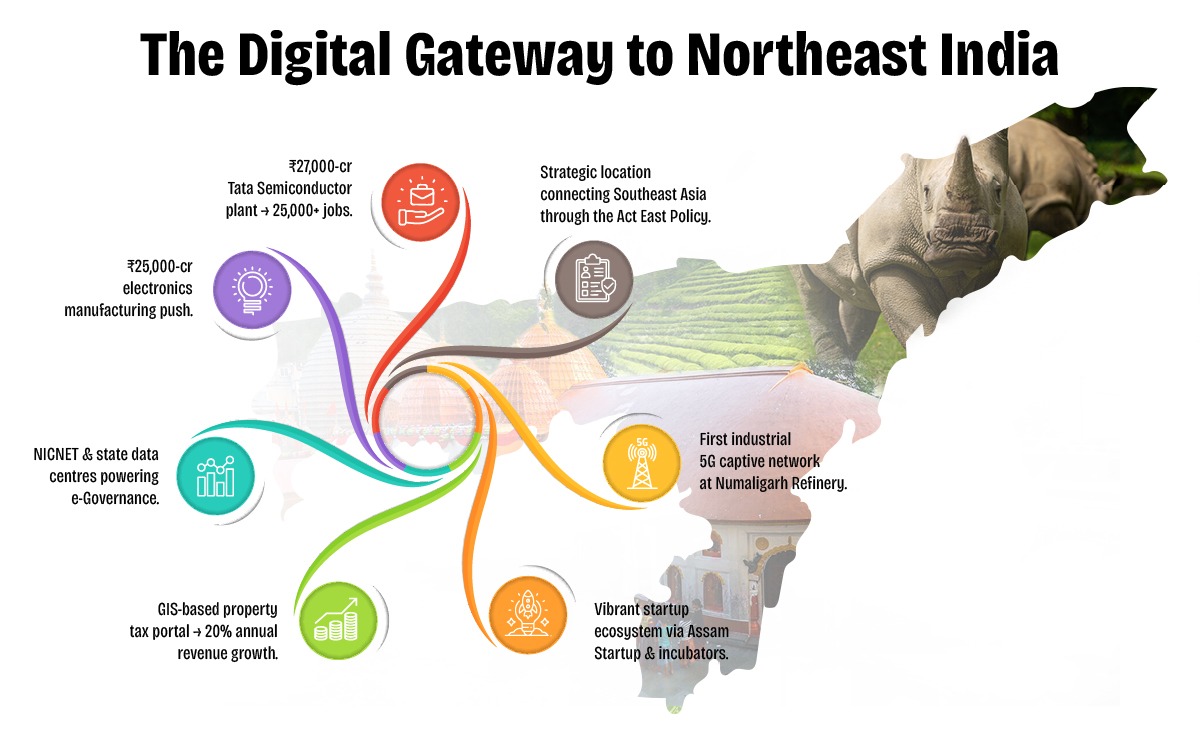
Assam is rapidly emerging as a digital innovation hub in Northeast India, driven by visionary policies and proactive governance under the Digital Assam initiative. With a growing IT ecosystem, expanding digital infrastructure, and a strong focus on e-Governance, the state is positioning itself at the forefront of India's digital transformation.
To further accelerate this journey, Elets Technomedia, in collaboration with the Information Technology Department, Government of Assam, is organising the National Digital Innovation Summit 2025 on 5-6 December in Guwahati. The summit will provide a platform for policymakers, industry leaders, innovators, and technologists to deliberate on strategies to advance the state's digital progress.

Sessions

Dynamic Speakers

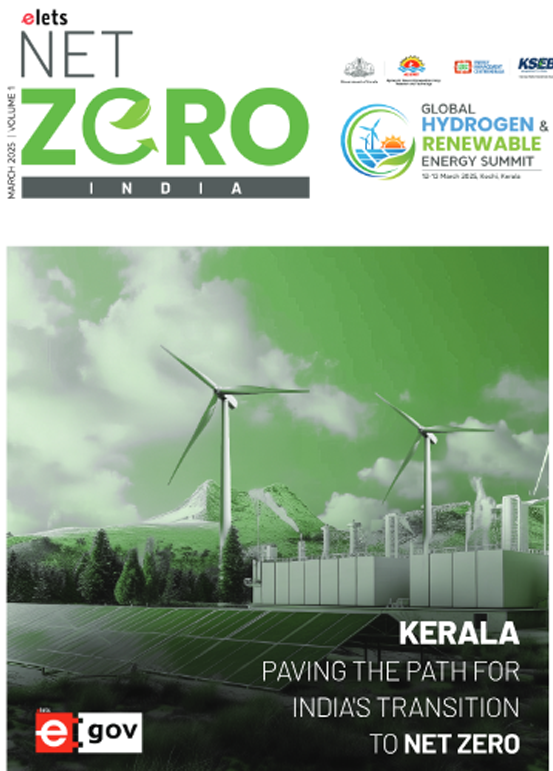
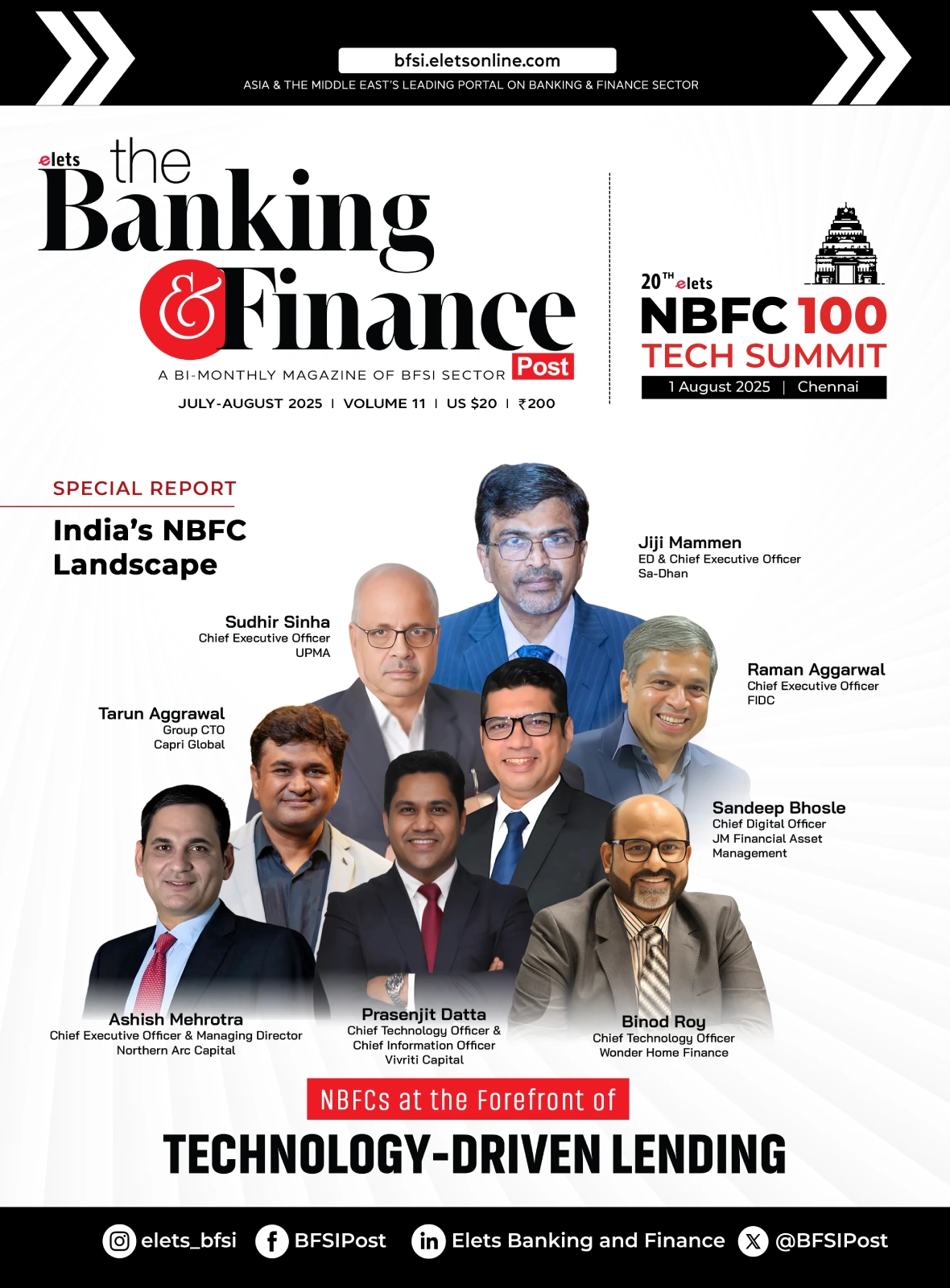
of Special eGov Magazine

featuring cutting-edge solutions

Networking
An Initiative By
Knowledge Partner

Host Partner
Supporting Partner
Powered By

Banking Partner
Gold Partners


Digital Transformation Partner

Secured Communications Technology Partner

Associate Banking Partner
Technology Partner

Data Center Partner

E-Governance Partner

Branding Partners

Supporting Partners


Despite these changes, the essence of family remains strong in Indian culture. Respect for elders, family bonding, and social responsibility continue to define Indian family life. The daily routines have become more fast-paced, with a greater emphasis on education and career. However, this has also led to a renewed interest in rediscovering and respecting one's roots and cultural heritage.
Indian families today face a multitude of challenges, from adapting to rapid urbanization and technological advancements to dealing with social issues like education, healthcare, and gender equality. However, these challenges also present opportunities for growth and evolution. There is a growing awareness about the importance of education, health, and family planning. Moreover, there's an increased emphasis on women taking on more roles outside the home, contributing to the family income, and achieving personal fulfillment.
Traditionally, Indian families were large, joint, and patriarchal. The elderly patriarch, often the grandfather, held the highest authority and respect. The joint family system, known as "parivar," was not just a social unit but an economic one as well. Multiple generations living under one roof was a common practice, where grandparents shared their wisdom and life experiences, parents worked hard to provide for the family, and children learned values, traditions, and skills from their elders.
The daily life of an Indian family today is a blend of traditional values and modern lifestyle choices. For instance, while morning prayers and traditional meals are still cherished, digital devices and social media have become integral parts of daily routines. Children learn about their cultural heritage through storytelling, festivals, and family traditions, even as they navigate the globalized world.
Digital Transformation in Governance
Startups, Innovations & Entrepreneurial Growth in Northeast India
Artificial Intelligence (AI) for Inclusive Growth
Cloud, Data & Cybersecurity for a Secure Digital Future
Digital Infrastructure & Connectivity in Northeast India
Skilling, Capacity Building & Future Workforce Development
E-Governance & Citizen-Centric Service Delivery
Despite these changes, the essence of family remains strong in Indian culture. Respect for elders, family bonding, and social responsibility continue to define Indian family life. The daily routines have become more fast-paced, with a greater emphasis on education and career. However, this has also led to a renewed interest in rediscovering and respecting one's roots and cultural heritage.
Indian families today face a multitude of challenges, from adapting to rapid urbanization and technological advancements to dealing with social issues like education, healthcare, and gender equality. However, these challenges also present opportunities for growth and evolution. There is a growing awareness about the importance of education, health, and family planning. Moreover, there's an increased emphasis on women taking on more roles outside the home, contributing to the family income, and achieving personal fulfillment.
Traditionally, Indian families were large, joint, and patriarchal. The elderly patriarch, often the grandfather, held the highest authority and respect. The joint family system, known as "parivar," was not just a social unit but an economic one as well. Multiple generations living under one roof was a common practice, where grandparents shared their wisdom and life experiences, parents worked hard to provide for the family, and children learned values, traditions, and skills from their elders.
The daily life of an Indian family today is a blend of traditional values and modern lifestyle choices. For instance, while morning prayers and traditional meals are still cherished, digital devices and social media have become integral parts of daily routines. Children learn about their cultural heritage through storytelling, festivals, and family traditions, even as they navigate the globalized world.

































& many more...
Ritika Srivastava
+91- 9990108973Anuj Sharma
+91- 8860651650
Copyright © 2026 Rapid Prism
Elets Technomedia, a leading technology research and media organisation, has established a robust global presence since 2003, expanding across India, Malaysia, Sri Lanka, Bangladesh, the UK, the Middle East, and beyond. Driven by a vision to explore new frontiers in tech-led innovation for a better world, Elets pioneers impactful knowledge-sharing platforms, including global conferences, webinars, and research-driven publications. Bringing together the finest policymakers and industry leaders, Elets creates impactful synergies to drive a future-ready world.


COPYRIGHT © 2025. ALL RIGHTS RESERVED BY ELETS TECHNOMEDIA PVT LTD.