 Â ¼ÓÔØÖÐ...
 ¼ÓÔØÖÐ...Patching communities formed around PES 2013 to address two main limitations of an aging release: outdated team data and the game’s original visual fidelity relative to modern standards. Graphic studios — groups or individuals specializing in textures, faces, kits, stadiums, and UI skins — produce packs that upgrade player likenesses, improve lighting and pitch textures, and add realistic advertising, crowd banners, and HD stadiums. These visual enhancements make the game feel current, sometimes indistinguishable at a glance from newer releases, and they allow players to recreate contemporary clubs, kits, and competitions long after official support ended.
In conclusion, graphic studios and patching communities have extended PES 2013’s relevance by transforming an eight-year-old engine into a platform capable of modern visual standards. Through technical ingenuity and artistic care, they deliver immersive updates—improved faces, kits, stadiums, and lighting—that refresh gameplay and deepen fan engagement. While legal gray areas persist, the cultural value of these efforts is clear: they illustrate how dedicated communities can sustain and revive beloved games, turning maintenance into creative expression and collective memory-keeping. game graphic studio pes 2013 patched
The legal and ethical landscape of patching is nuanced. Most patch creators emphasize non-commercial distribution to respect intellectual property: they do not claim ownership over club logos, player likenesses, or Konami’s engine. Yet the use of copyrighted logos and likenesses remains technically unauthorized. Communities often navigate this by hosting patches on fan forums, providing only the modified files and requiring users to extract original resources from their own game installations. This grassroots model minimizes commercial exposure but does not fully eliminate legal ambiguity. Patching communities formed around PES 2013 to address

¹ã²¥µçÊÓ½ÚÄ¿ÖÆ×÷: £¨»¦£©×ÖµÚ03589ºÅ ÔöÖµµçÐÅÒµÎñ:»¦B-22090722

ÇëʹÓøßËÙÄÚºËä¯ÀÀÆ÷»òÆäËûä¯ÀÀÆ÷


 ËÑË÷
ËÑË÷

 ÎÞÇéµÄ¶¯»»úÆ÷ÈË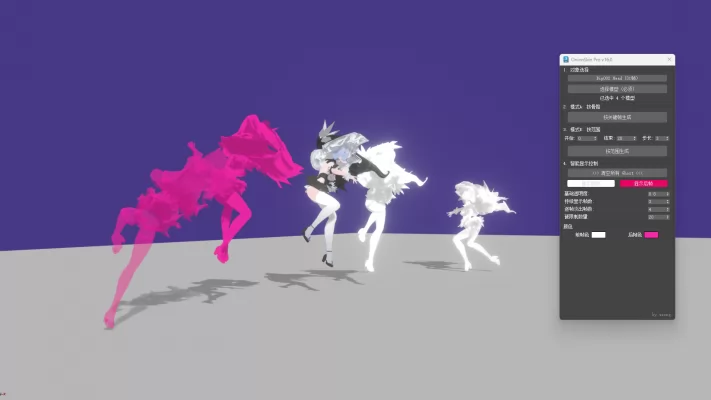
 ´¨ÆéËÌ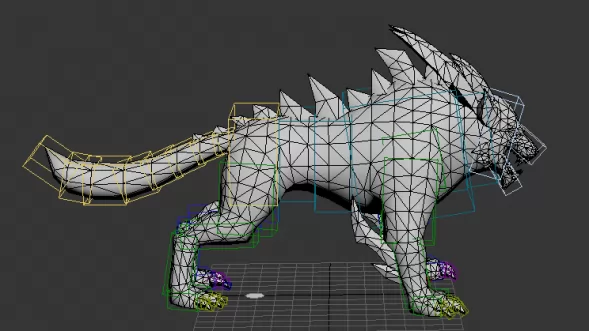
 CGJOY_744224271