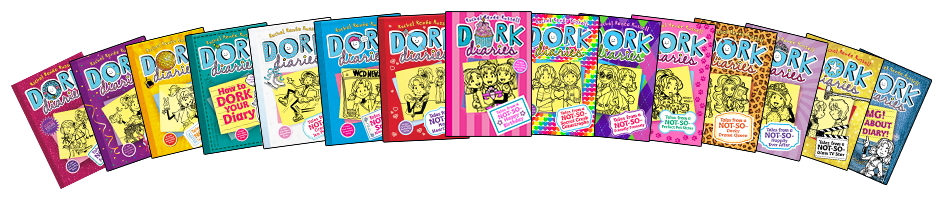
The #1 New York Times bestselling Dork Diaries series follows Nikki Maxwell as she chronicles her life through text and art—her move to a new school, her battles with queen bee MacKenzie, and her zany adventures with her BFFs Chloe and Zoey by her side!
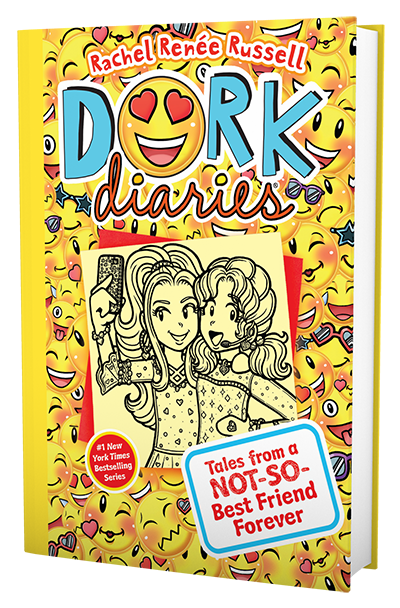
The bestselling series continues... Dork Diaries 14: Tales from a Not-So-Best Friend Forever is on sale October 22!
Pre-order your copy today
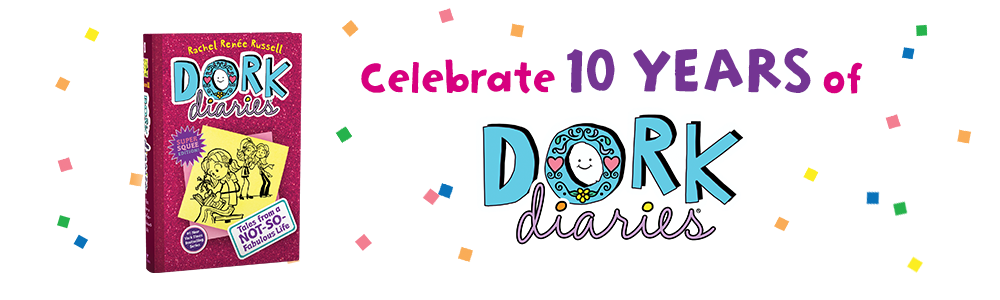
Celebrate 10 years of Nikki’s a-DORK-able adventures!
Okjattcom Hollywood File
What made Okjattcom compelling was not a consistency of tone or a purity of purpose but its appetite for the story at the edges—the things that taste like risk. It could pivot in a paragraph from celebration to critique, from spotlight to sideways glance at a passing scandal, and readers felt, briefly, like conspirators. It taught them to look not just at the red carpets but at the cracks beneath, the small collaborative miracles: an editor’s cut that salvaged an entire subplot, a stunt team’s choreography that turned a stunt into poetry, a supporting actor who said one line and rewired the film’s gravity.
There were nights when Okjattcom felt generous. It would champion a misunderstood film, elevate a composer who had been overlooked, or find humor in the way premieres became ritualized battlefields of velvet ropes and curated smiles. It loved a good paradox: the way a city built on illusion could reveal a truth so sharp it hurt. Readers responded to those moments—comments piled up like confetti, earnest and messy. okjattcom hollywood
On a late afternoon that smelled of salt and hot tar, a small film premiered at a theater with no neon. The crowd was modest, the applause immediate and weirdly intimate. Afterward, a handful of viewers spilled into the sidewalk, arguing softly about a cut that landed like a small revelation. Somewhere nearby, Okjattcom posted a piece that wasn’t trying to make stars or break them. It simply recorded what had happened: a film that asked for patience and gave back a quiet, surprising truth. What made Okjattcom compelling was not a consistency
What made Okjattcom compelling was not a consistency of tone or a purity of purpose but its appetite for the story at the edges—the things that taste like risk. It could pivot in a paragraph from celebration to critique, from spotlight to sideways glance at a passing scandal, and readers felt, briefly, like conspirators. It taught them to look not just at the red carpets but at the cracks beneath, the small collaborative miracles: an editor’s cut that salvaged an entire subplot, a stunt team’s choreography that turned a stunt into poetry, a supporting actor who said one line and rewired the film’s gravity.
There were nights when Okjattcom felt generous. It would champion a misunderstood film, elevate a composer who had been overlooked, or find humor in the way premieres became ritualized battlefields of velvet ropes and curated smiles. It loved a good paradox: the way a city built on illusion could reveal a truth so sharp it hurt. Readers responded to those moments—comments piled up like confetti, earnest and messy.
On a late afternoon that smelled of salt and hot tar, a small film premiered at a theater with no neon. The crowd was modest, the applause immediate and weirdly intimate. Afterward, a handful of viewers spilled into the sidewalk, arguing softly about a cut that landed like a small revelation. Somewhere nearby, Okjattcom posted a piece that wasn’t trying to make stars or break them. It simply recorded what had happened: a film that asked for patience and gave back a quiet, surprising truth.