

 (3898 LL) Harderwold



 (3360) Caravan Park U Makaka /Área de autocaravanas


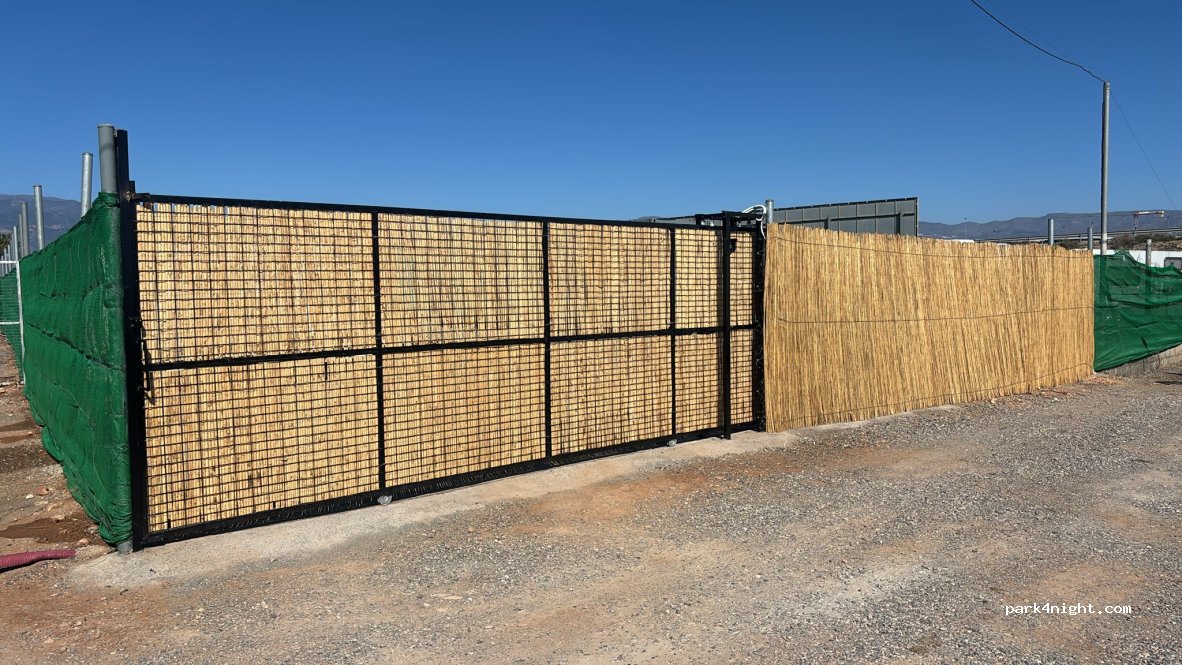


 (09474) Wohnmobilstellplätze Räucherkerzenland

 (8752) Vestbirk Camping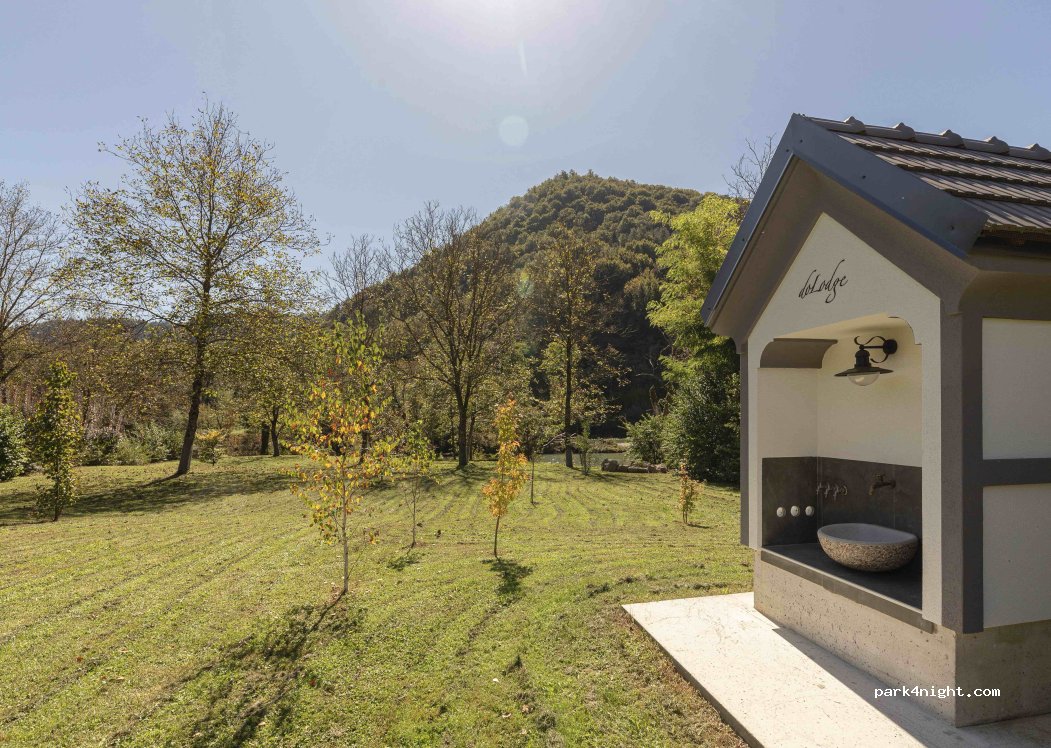

 (8342) doLodge Camper
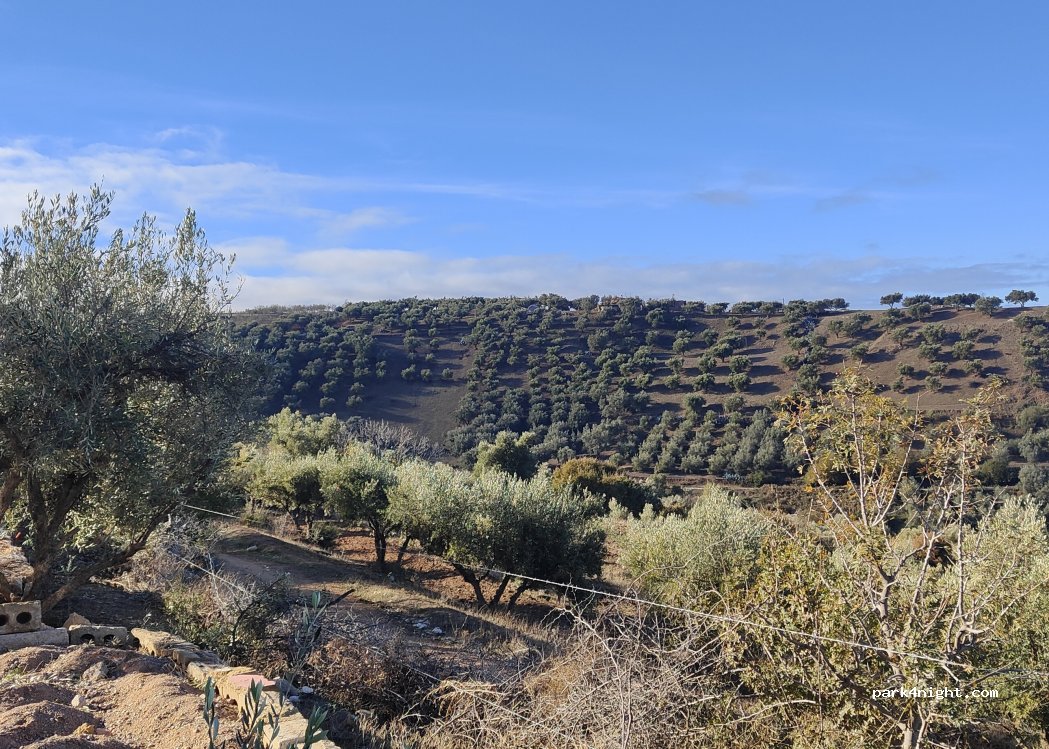
 (50040) Olives et traditions : Le camping autrement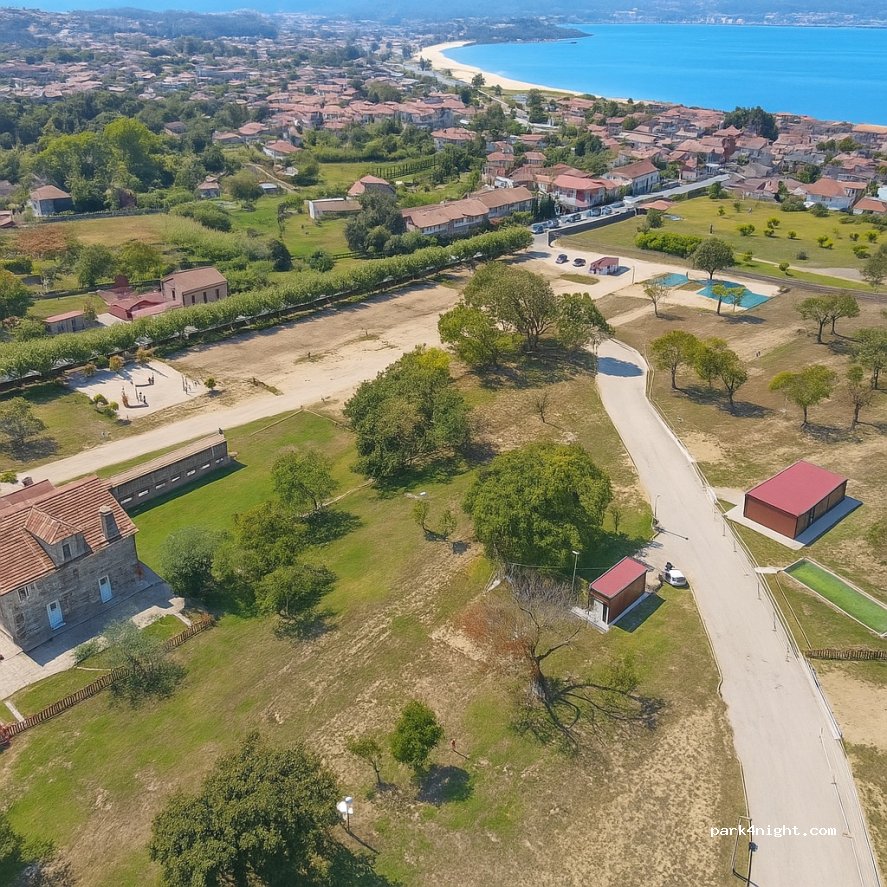

Truyen Loan Luan Ong Va Chau Gai Best
Possible thesis: "Truyện Loan Luyện Ông và Chau Gai Best" stands out as a compelling xianxia novel, blending Vietnamese and Chinese cultural elements, offering a rich narrative of personal cultivation and intergenerational mentorship.
Wait, maybe I should mention that this essay is based on the typical elements found in such novels since the exact details aren't clear. Alternatively, maybe the user meant a different title but wrote it wrong. If "Loan Luyện" is "Loan and Luyện", maybe not. Hmm. Alternatively, "Loan Luyện" is one term in Vietnamese, meaning "loan" and "cultivation", but maybe I'm overcomplicating. truyen loan luan ong va chau gai best
The relationship between the master and the girl is central to the novel’s appeal. The old master, despite his frailty, exudes authority through decades of cultivation insights, symbolizing patience and the quiet strength of age. Conversely, Chau Gai’s character arc—from a vulnerable novice to a confident cultivator—illustrates the transformative power of mentorship. Their interactions delve into the balance between humility and ambition, showing how the girl’s determination complements the master’s strategic mind. This interplay not only drives the plot but also reinforces the idea that growth often stems from collaboration rather than individualism. Possible thesis: "Truyện Loan Luyện Ông và Chau
I should avoid assumptions not supported by facts but can generalize based on common tropes. The essay should be structured clearly, with each paragraph focused on a theme, supported by examples from common xianxia plots (like overcoming a curse, mastering techniques, facing rivals, or exploring hidden realms). Highlight the emotional depth of characters and the world-building. If "Loan Luyện" is "Loan and Luyện", maybe not
I need to make sure the essay is helpful, so maybe provide tips for future readers or analyze the strengths of the novel. Since it's about cultivation, the journey from weakness to strength, overcoming internal and external conflicts are key points. The relationship between the old master and the girl could represent passing down wisdom and the importance of guidance in personal development.
"Truyện Loan Luyện Ông và Chau Gai Best" seamlessly blends Chinese xianxia archetypes with Vietnamese cultural values. While the narrative draws from traditional Chinese concepts of immortal realms, martial cultivation, and cosmic struggles, it is enriched by Vietnamese aesthetics and ethical nuances. For instance, the emphasis on familial duty and respect for elders aligns with Confucian principles, making the story accessible to local audiences. The novel’s "best" edition likely capitalizes on this cultural synthesis, offering a translation that retains the original’s poetic elements while ensuring clarity for Vietnamese readers.

 Caravan, Motorhome & Adventure
 Camper Caravan Show Warsaw
 Camper Van Week-End Angers-Brissac
 The Motorhome and Caravan Show
 park4night
 Off-line mode (no connection)
 Search your itinerary
 Contact the campsites and private accommodation easily
 And other benefits